

Modern supply chains generate enormous amounts of information. Supplier assessments, certifications, audits, compliance records, sustainability metrics and operational updates all create valuable data. The challenge is not collecting information — it is understanding what that information means and using it at the right time.
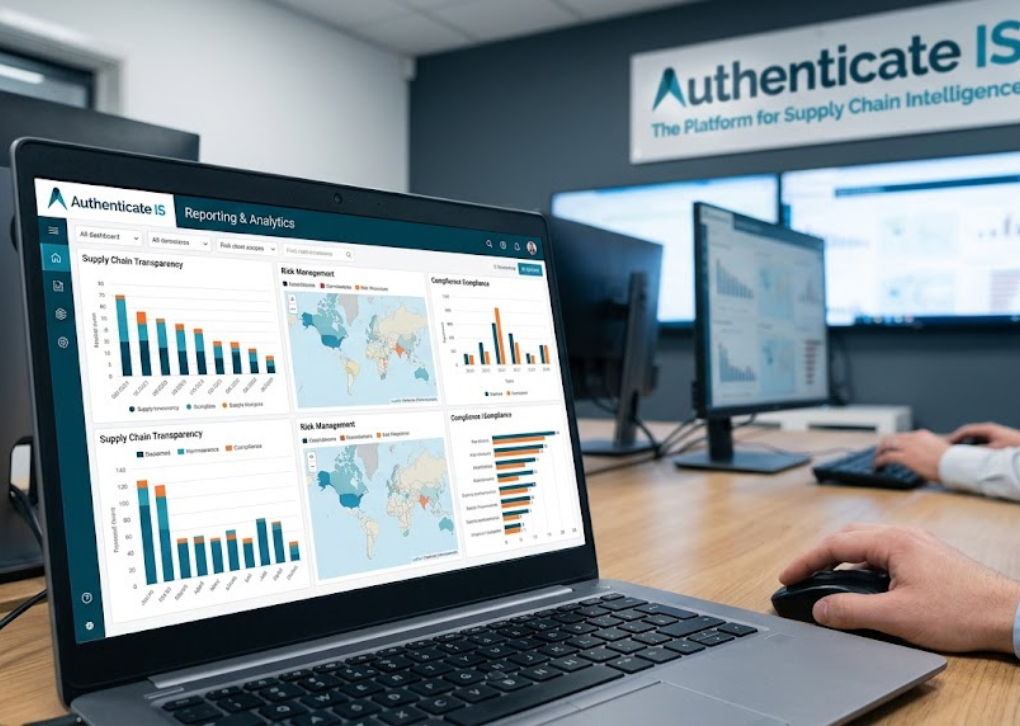
Authenticateis.com reporting dashboards analytics are designed around this challenge by helping organisations transform supply chain information into visual reports and decision-making insights. Authenticate provides digital tools for supply chain mapping, supplier assessments, certifications, KPI management and analytics that help businesses understand risks and performance across complex supplier networks. authenticateis.com
For companies managing hundreds or thousands of suppliers, dashboards provide a central view of performance instead of relying on disconnected spreadsheets, manual reports and delayed updates.
This article explains how Authenticate’s analytics approach works, what problems reporting dashboards solve and why supply chain teams increasingly depend on data-driven visibility.
What Are Authenticate Reporting Dashboards Analytics?
Authenticate reporting dashboards analytics refers to the platform’s ability to organise and visualise supply chain information through interactive dashboards and reporting tools.
Instead of reviewing individual supplier records one by one, organisations can analyse information through visual summaries, trends, comparisons and performance indicators.
Authenticate’s dashboard solutions include standardised dashboards covering areas such as supplier information, assessments, product mapping and incident reporting, while also allowing customised dashboard development for specific business requirements. authenticateis.com
A typical supply chain dashboard may help teams answer questions such as:
- Which suppliers have outstanding compliance issues?
- Where are the highest-risk locations?
- Which suppliers are improving or declining?
- Are sustainability targets being achieved?
- Which areas require immediate action?
The purpose is not simply displaying data. The purpose is converting data into decisions.
Why Supply Chain Businesses Need Advanced Reporting Dashboards
Traditional Reporting Creates Visibility Problems
Many organisations still manage supplier information through multiple systems:
- Spreadsheet trackers
- Email communications
- Separate audit files
- Certification documents
- Internal databases
This creates several challenges:
- Information becomes outdated quickly
- Teams spend time collecting rather than analysing data
- Risk areas may remain hidden
- Senior leaders receive incomplete reports
A reporting dashboard creates a more connected view by bringing different data points together.
Dashboards Improve Supply Chain Transparency
Supply chain transparency has become a major priority because businesses are expected to understand where products come from and what risks exist throughout supplier networks.
Authenticate focuses on mapping and monitoring supply chains across different tiers, helping companies improve visibility from suppliers through to source locations. authenticateis.com
Analytics dashboards add another layer by helping teams interpret this information.
For example, a company may identify:
- A concentration of suppliers in higher-risk regions
- Suppliers with missing certifications
- Areas where audit completion is declining
- Products connected to specific sustainability concerns
Without reporting tools, these patterns can be difficult to identify.
Key Features of Authenticate Dashboard Analytics
1. Supplier Performance Reporting
Supplier performance management requires consistent measurement.
Businesses may track:
- Assessment scores
- Compliance results
- Improvement actions
- Supplier KPIs
- Certification status
Authenticate supports KPI management by allowing businesses to create and monitor supplier performance metrics. authenticateis.com
This allows procurement and sustainability teams to compare supplier performance over time instead of making decisions based only on individual incidents.
2. Audit and Assessment Reporting
Supplier audits often generate large amounts of information.
A dashboard can help organisations understand:
- Assessment completion rates
- Supplier risk levels
- Common non-conformities
- Corrective action progress
Authenticate’s audit and assessment tools allow companies to create digital assessments, monitor responses and analyse results through reporting functionality. authenticateis.com
The benefit is faster identification of problems and better follow-up.
3. ESG and Sustainability Analytics
Environmental, social and governance reporting has become increasingly important for global businesses.
Companies need visibility into:
- Environmental risks
- Responsible sourcing performance
- Supplier sustainability progress
- Social compliance indicators
Authenticate provides ESG-related solutions that help organisations analyse sustainability performance and monitor progress against defined goals. authenticateis.com
Dashboards can help sustainability teams move from collecting sustainability data to actively managing performance.
4. Animal Welfare Performance Tracking
Food companies often require detailed visibility into animal welfare practices throughout their supply chain.
Authenticate highlights dashboard use cases for animal welfare reporting, including monitoring supplier data against defined KPIs and reporting progress internally or externally. authenticateis.com
Possible reporting areas may include:
- Supplier compliance performance
- Welfare-related KPIs
- Certification status
- Improvement activities
This helps organisations demonstrate progress while identifying areas requiring attention.
How Authenticate Dshboards Support Better Decision-Making
A dashboard becomes valuable when it helps people take action.
Procurement Teams
Procurement professionals can use reporting insights to:
- Compare suppliers
- Identify weak performance areas
- Support supplier improvement plans
- Reduce supply chain risks
Sustainability Teams
Sustainability departments can:
- Track ESG objectives
- Monitor supplier commitments
- Prepare internal reports
- Support disclosure requirements
Executives
Leadership teams need simplified information.
Dashboards can provide:
- High-level risk summaries
- Performance trends
- Strategic insights
- Progress against goals
Instead of reviewing hundreds of pages, executives can focus on the issues requiring attention.
Benefits of Using Supply Chain Analytics Dashboards
Faster Risk Identification
Dashboards make risk patterns easier to recognise.
A company can quickly identify:
- Suppliers with declining scores
- Missing documentation
- Certification gaps
- Repeated audit failures
Improved Collaboration
When different departments work from the same information source, communication improves.
Procurement, sustainability, compliance and operations teams can align around shared data.
Better Reporting Accuracy
Automated reporting reduces dependence on manual spreadsheet preparation.
This can help organisations create more consistent internal and external reports.
Stronger Supplier Relationships
Analytics are not only about finding problems.
They can also identify suppliers performing well and support continuous improvement programmes.
What Businesses Should Evaluate Before Choosing Dashboard Software
Not every dashboard solution provides the same value.
Companies should consider:
Data Integration
Can the system connect information from different sources?
Customisation
Can dashboards reflect specific business goals and KPIs?
User Accessibility
Can different teams easily understand and use reports?
Scalability
Can the platform support increasing supplier numbers and data volumes?
Security
Is sensitive supplier information stored and managed appropriately?
Authenticate states that its platform stores information in ISO/IEC 27001 compliant data centres. authenticateis.com
Authenticate Reporting Dashboards Analytics vs Traditional Spreadsheet Reporting
| Traditional Reporting | Dashboard Analytics |
|---|---|
| Manual updates | Centralised information |
| Delayed insights | Faster visibility |
| Difficult trend analysis | Visual performance tracking |
| Multiple files | Connected data views |
| Limited scalability | Designed for larger supplier networks |
The biggest difference is not simply appearance. It is the ability to move from passive reporting to active decision-making.
Common Mistakes Companies Make With Supply Chain Reporting
Collecting Data Without Clear Objectives
More data does not automatically create better decisions.
Businesses should define:
- Which risks matter
- Which KPIs matter
- Who needs access
- What actions follow each insight
Measuring Too Many KPIs
A dashboard filled with unnecessary metrics can become confusing.
The most effective dashboards focus on meaningful indicators.
Ignoring Supplier Collaboration
Reporting should not only evaluate suppliers. It should support improvement and communication.
The Future of Supply Chain Analytics
Supply chain analytics is moving toward more connected, real-time and predictive decision-making.
Future reporting systems will increasingly focus on:
- Automated risk detection
- Better data integration
- Predictive insights
- Real-time supplier monitoring
- Improved sustainability measurement
Businesses that understand their supply chain data will be better positioned to respond to regulation, customer expectations and operational challenges.
Final Thoughts
Authenticateis.com reporting dashboards analytics provide businesses with a structured way to understand complex supply chain information. By combining supplier data, assessments, KPIs, certifications and sustainability information into reporting views, organisations can improve visibility and make more informed decisions. authenticateis.com
For companies managing responsible sourcing, ESG commitments or supplier performance programmes, effective analytics are becoming less of an advantage and more of a requirement.
The right dashboard does not replace human decision-making. It gives teams better information to make those decisions.
5. Frequently Asked Questions
What is Authenticate analytics?
Authenticate analytics refers to the platform’s reporting and dashboard capabilities that help businesses analyse supply chain, supplier performance, compliance and sustainability information. authenticateis.com
What information can Authenticate dashboards display?
Authenticate dashboards can present information connected with supplier data, assessments, product mapping, incidents, KPIs and other supply chain performance areas. authenticateis.com
How do supply chain dashboards improve decision-making?
Supply chain dashboards organise complex information into easier-to-understand reports, helping teams identify risks, monitor performance and prioritise actions.
Can Authenticate dashboards support ESG reporting?
Yes. Authenticate provides sustainability-focused solutions that help organisations monitor environmental and ESG-related supply chain performance. authenticateis.com
Are dashboards useful for animal welfare monitoring?
Yes. Authenticate highlights animal welfare dashboard reporting as a way for businesses to track performance against defined welfare KPIs and communicate progress. authenticateis.com
Why are supplier KPI dashboards important?
Supplier KPI dashboards help organisations measure performance consistently, identify improvement opportunities and make sourcing decisions using evidence-based information.
