

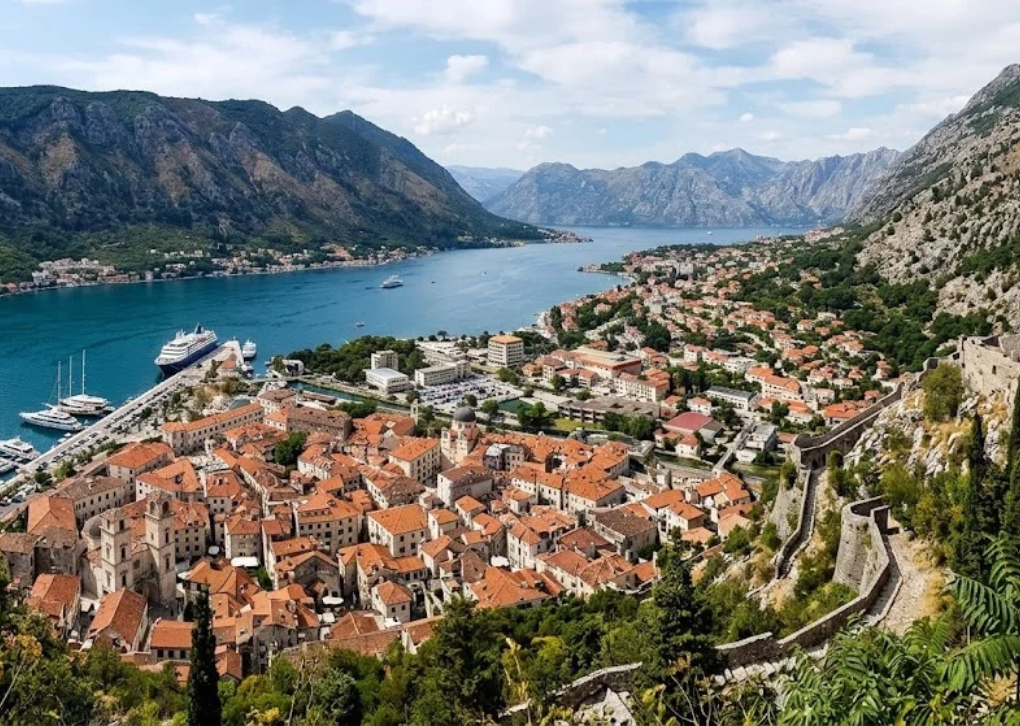
Nestled between dramatic limestone mountains and the beautiful Adriatic coastline, Kotor is one of Montenegro’s most memorable travel destinations. Its medieval streets, historic churches, impressive fortifications and peaceful waterfront create a combination of natural beauty and cultural heritage that attracts visitors from around the world.
The phrase Kotora Melnkalne is associated with Kotor, Montenegro, rather than an officially recognised separate destination. For travellers researching this location, Kotor is the place to discover: a historic settlement on the southeastern side of the Bay of Kotor, surrounded by steep mountains and centuries of maritime history.
What makes this destination particularly interesting is the variety of experiences it offers. Visitors can explore medieval architecture, climb towards an ancient fortress, enjoy boat trips across the bay, discover traditional coastal villages and experience Montenegrin food and culture.
This article explores what makes Kotor special, what to see, when to visit and how to plan a rewarding trip.
What Is Kotora Melnkalne?
Kotora Melnkalne is an informal search expression associated with Kotor in Montenegro. It is not the official name of a separate town, region or tourist attraction.
The wording reflects the connection between Kotor and the Latvian name for Montenegro, Melnkalne. The destination itself is officially known internationally as Kotor.
This distinction is useful when planning a visit. Searching for Kotor Montenegro will provide more accurate information about hotels, transportation, local attractions, maps and tourism services.
Kotor is particularly recognised for its historic walled centre, Venetian-influenced architecture, maritime traditions and remarkable natural surroundings.
Its appeal goes beyond traditional sightseeing. The town offers opportunities for walking, photography, cultural exploration, boating and discovering the smaller settlements surrounding the bay.
Where Is Kotor Located in Montenegro?
Kotor is situated in southwestern Montenegro, at the southeastern end of the Bay of Kotor along the Adriatic coast.
The town occupies a remarkable geographical position. Mountains rise dramatically behind the historic settlement, while sheltered water stretches along its waterfront. This landscape creates an enclosed coastal environment that looks very different from many other Mediterranean destinations.
The Bay of Kotor, locally known as Boka Kotorska, is an important part of Montenegro’s natural and cultural identity.
Kotor also provides a convenient starting point for exploring nearby destinations.
Nearby Places Worth Exploring
- Perast: A historic waterfront settlement famous for its stone architecture, churches and maritime heritage.
- Tivat: A coastal town known for its marina, waterfront atmosphere and airport connections.
- Budva: A popular destination for beaches, nightlife and a lively summer atmosphere.
- Risan: An older settlement associated with the region’s ancient history and Roman mosaics.
- Lovćen: A mountainous destination offering hiking opportunities and impressive landscapes.
These locations make Kotor a useful base for travellers who want to explore more than one part of Montenegro.
Why Is Kotor So Famous?
Kotor is famous because it combines historical architecture, cultural significance and exceptional coastal scenery in a relatively compact area.
The town developed as an important maritime and commercial centre. Its position along the Adriatic helped establish connections with different Mediterranean cultures and trading networks.
Over the centuries, Kotor experienced several periods of political and cultural influence, including Byzantine and Venetian rule.
These historical layers remain visible in its architecture, churches, defensive structures and traditional stone buildings.
UNESCO World Heritage Recognition
The wider Natural and Culturo-Historical Region of Kotor was added to the UNESCO World Heritage List in 1979.
The recognition reflects the relationship between the area’s natural landscape and its historic settlements, architecture, religious monuments and maritime heritage.
UNESCO describes the region as an important historic Mediterranean harbour surrounded by mountains. The property includes a much wider area than the Old Town alone.
This is an important distinction for visitors: exploring Kotor means experiencing both a historic urban environment and the broader cultural landscape surrounding the bay.
Exploring Kotor Old Town
Kotor Old Town, locally called Stari Grad, is the centrepiece of the destination.
Surrounded by historic defensive walls, it contains narrow stone streets, small squares, churches, traditional buildings, cafés and restaurants.
Unlike modern resort areas, the Old Town has a compact medieval layout that encourages visitors to explore on foot.
There is no need to follow a strict sightseeing route. Some of the most enjoyable experiences come from discovering small courtyards, quiet passages and unexpected architectural details.
Main Attractions Inside the Old Town
1. St. Tryphon Cathedral
St. Tryphon Cathedral is one of Kotor’s most recognisable historic landmarks. The Romanesque cathedral was consecrated in 1166 and is dedicated to Saint Tryphon, the town’s patron saint.
Its architectural details and historical importance make it an essential stop for visitors interested in religious and cultural heritage.
2. St. Luke’s Church
St. Luke’s Church is another notable historic building within the Old Town. Its long religious history reflects the diverse cultural influences that shaped Kotor.
3. Arms Square
Arms Square, known locally as Trg od Oružja, is the main public square. It is a convenient starting point for exploring the historic centre.
The surrounding buildings, cafés and clock tower make it an excellent place to observe everyday life in Kotor.
4. Maritime Museum
The Maritime Museum provides insight into the town’s seafaring history, maritime traditions and the importance of navigation and trade to the region.
5. Historic City Gates
Kotor’s historic entrances, including the Sea Gate and River Gate, provide access to different parts of the Old Town and reflect the defensive importance of the settlement.
Walking through these entrances offers a sense of how the historic town was organised and protected.
San Giovanni Fortress and the Famous Mountain Climb
One of the most rewarding experiences in Kotor is climbing towards San Giovanni Fortress, also known as St. John’s Fortress.
The historic fortifications rise above the Old Town and extend up the steep mountainside.
The route includes numerous stone steps, uneven surfaces and exposed sections. It is a physically demanding walk rather than a simple stroll.
However, the views make the effort worthwhile.
As visitors climb higher, the red rooftops of the Old Town become smaller against the surrounding mountains. The blue waters of the Bay of Kotor gradually open into a wider panoramic view.
Tips Before Climbing
- Wear comfortable walking shoes with good grip.
- Carry drinking water, especially during warm weather.
- Start early to avoid the strongest midday heat.
- Take breaks if the steps become tiring.
- Check current access conditions and ticket arrangements before visiting.
- Avoid the climb during thunderstorms or slippery conditions.
Travellers with mobility difficulties should consider whether the steep route is suitable for them.
The fortress climb is particularly attractive to photographers because it provides elevated views of the town, bay and surrounding mountain landscape.
Discovering the Bay of Kotor
The Bay of Kotor is much more than a scenic background for the historic town. It is one of the main reasons visitors choose this region.
The bay consists of several connected sections surrounded by steep mountains and traditional coastal settlements.
Its landscape creates an almost fjord-like appearance, although geographically it is a submerged river valley, known as a ria, rather than a true glacial fjord.
Visitors can experience the bay in several ways.
Boat Trips and Waterfront Experiences
Boat excursions are among the most enjoyable ways to explore the surrounding coastline.
Depending on the route, visitors may discover historic settlements, small islands, churches and beautiful viewpoints.
A boat journey also provides a different perspective of Kotor’s architecture and surrounding mountains.
For travellers who prefer a slower experience, walking along the waterfront is another excellent option.
The scenery changes throughout the day, particularly when sunlight reflects across the water and illuminates the surrounding mountains.
Visiting Perast and Our Lady of the Rocks
Perast is one of the most attractive nearby destinations and makes an excellent addition to a Kotor itinerary.
This small historic settlement features stone waterfront buildings, traditional churches, historic palaces and beautiful views across the bay.
Its quieter atmosphere makes it a pleasant contrast to the busier streets of Kotor Old Town.
Our Lady of the Rocks
One of the most recognisable attractions near Perast is Our Lady of the Rocks.
This small artificial island contains a historic Catholic church and museum. Visitors generally reach it by boat from Perast.
The island is closely connected with local maritime traditions and religious heritage.
A visit offers an opportunity to learn more about the cultural history of the bay while enjoying beautiful views of the surrounding water.
For first-time visitors, combining Kotor and Perast is one of the most practical ways to experience different aspects of the region in a short trip.
Beaches and Swimming Around Kotor
Kotor is an attractive destination for swimming, but it is not primarily a traditional sandy-beach resort.
The immediate area around the Old Town has limited conventional beach space. Instead, visitors will find small waterfront bathing areas, pebbled sections and concrete swimming platforms.
The sheltered waters of the bay provide opportunities to enjoy swimming during the warmer months.
Travellers looking for larger sandy or pebble beaches may prefer to explore other parts of Montenegro.
Budva, Bečići and areas of the Luštica Peninsula offer additional coastal options.
Is Kotor Suitable for a Beach Holiday?
Kotor is particularly suitable for travellers who want to combine sightseeing, history, boating and occasional swimming.
It may be less suitable for people whose main priority is spending every day on a large sandy beach.
A balanced itinerary can include several nights in Kotor followed by time in a more beach-focused destination.
Best Time to Visit Kotora Melnkalne
The best time to visit Kotor depends on your interests, budget and tolerance for crowds.
Late spring and early autumn are generally attractive periods for sightseeing because temperatures are often more comfortable than during the hottest summer weeks.
Spring: April to June
Spring offers pleasant conditions for exploring historic streets, walking along the waterfront and discovering nearby villages.
The surrounding landscape becomes particularly attractive as the season progresses.
May and June are worth considering for travellers who want to combine outdoor activities with coastal sightseeing.
Summer: July and August
Summer is popular because of warm weather, swimming opportunities and boat excursions.
However, it is also the busiest tourist period.
Cruise passengers and holidaymakers can make the Old Town particularly crowded during the middle of the day.
Travellers visiting during summer should consider exploring early in the morning or later in the evening.
Autumn: September and October
Early autumn is another appealing period.
The sea may remain suitable for swimming, while sightseeing can become more comfortable as the busiest summer period passes.
September is especially worth considering for travellers seeking a balance between coastal activities and cultural exploration.
Winter: November to March
Winter offers a quieter atmosphere and fewer seasonal visitors.
It can be a good time for photography, architecture and relaxed walks through the historic centre.
However, rainier weather and reduced seasonal services may affect outdoor activities and boat excursions.
How to Reach Kotor
Kotor can be reached through several transportation options, depending on your starting point.
By Air
Tivat Airport is the closest airport for most international travellers heading to Kotor.
Podgorica Airport is another option, particularly for visitors travelling through Montenegro’s capital region.
Dubrovnik Airport in neighbouring Croatia may also be considered, although international border crossings and road conditions need to be taken into account.
The most suitable airport depends on available flights, accommodation arrangements and the overall travel itinerary.
By Bus
Montenegro has intercity bus connections linking coastal destinations and inland cities.
Travellers can use bus services to reach Kotor from destinations such as Budva, Podgorica and other regional locations.
Schedules may vary by season, so checking departure times before travelling is advisable.
By Car
Driving provides flexibility when exploring the wider Bay of Kotor.
It is particularly useful for visiting smaller settlements, viewpoints and mountain destinations.
However, roads around the bay can become congested during busy summer periods. Parking near the Old Town may also be limited.
The historic centre itself is best explored on foot.
Where to Stay in Kotor
Choosing the right accommodation area can make a significant difference to your experience.
Kotor offers several different environments, from historic buildings inside the city walls to quieter waterfront accommodation outside the centre.
Kotor Old Town
Staying inside the historic centre provides immediate access to churches, squares, restaurants and attractions.
It is an attractive choice for visitors who enjoy historic surroundings and want to explore on foot.
However, narrow streets can become noisy during busy evenings. Some accommodation properties also have steep internal staircases and limited luggage access.
Dobrota
Dobrota is a coastal settlement just north of Kotor Old Town.
It offers a more relaxed waterfront environment, with accommodation options along the bay.
It can be a good choice for travellers who prefer quieter surroundings while remaining relatively close to the historic centre.
Muo and Prčanj
Muo and Prčanj offer additional accommodation possibilities across the bay.
These locations are attractive for visitors interested in waterfront scenery and a slower pace of travel.
However, transportation arrangements should be considered before booking, especially if you plan to visit Kotor Old Town frequently.
Traditional Food to Try in Kotor
Food is another important part of experiencing Montenegro.
Kotor’s location creates a culinary environment influenced by Mediterranean and Balkan traditions.
Seafood is particularly relevant to the coastal region, while traditional dishes also reflect the country’s mountainous and inland food culture.
Some local dishes and ingredients worth exploring include:
- Grilled fish: A popular coastal meal, often served with vegetables or potatoes.
- Black risotto: A seafood rice dish traditionally coloured with cuttlefish or squid ink.
- Buzara: A coastal seafood preparation commonly associated with shellfish.
- Njeguški pršut: A traditional smoked and cured ham from the Njeguši region.
- Kačamak: A traditional dish made with potatoes, cornmeal and dairy products.
- Local cheeses: Regional cheeses provide an introduction to Montenegro’s traditional food culture.
Visitors should look for restaurants serving seasonal ingredients and locally prepared dishes rather than choosing only establishments located on the busiest tourist streets.
A Practical One-Day and Two-Day Kotor Itinerary
Planning your time in advance helps you enjoy Kotor without rushing through its most important attractions.
One-Day Itinerary
If you have only one day, focus on the historic centre and the most important surrounding experience.
Morning
- Enter through the Sea Gate.
- Explore Arms Square.
- Visit St. Tryphon Cathedral.
- Walk through the narrow streets and historic squares.
Late Morning or Early Afternoon
- Explore the waterfront.
- Enjoy a traditional Montenegrin lunch.
- Visit the Maritime Museum if time allows.
Afternoon
- Climb towards San Giovanni Fortress if weather and fitness conditions permit.
- Alternatively, enjoy a relaxed waterfront experience.
Evening
- Return to the Old Town.
- Enjoy dinner.
- Explore the historic streets when the day visitors have departed.
Two-Day Itinerary
A two-day visit provides a more complete experience.
Day One: Historic Kotor
Spend the first day discovering the Old Town, its churches, squares, museums and fortifications.
Allow sufficient time for the fortress climb and photography.
Day Two: Exploring the Bay
Use the second day to discover Perast and Our Lady of the Rocks.
Depending on your interests, you can add a boat excursion or visit other coastal settlements.
This arrangement creates a better balance between cultural sightseeing and natural exploration.
Practical Travel Tips for First-Time Visitors
A little preparation can make a visit to Kotor considerably easier.
1. Explore early in the day. The Old Town can become busy when cruise ships arrive. Early mornings offer a calmer sightseeing experience.
2. Wear suitable footwear. The historic streets contain uneven stone surfaces, and the fortress route includes steep steps.
3. Carry some cash. Although cards are commonly accepted in tourist establishments, keeping some cash available is useful for smaller purchases.
4. Check transport schedules. Bus frequency and seasonal services can vary.
5. Plan parking in advance. Parking immediately beside the Old Town may be limited during busy periods.
6. Respect historic buildings. Churches and religious sites may have visitor rules, including restrictions during services.
7. Avoid overplanning. Kotor is best experienced with enough time to explore its smaller streets and waterfront without rushing.
8. Check local conditions. Fortress access, boat departures and seasonal attractions can change with weather and operating arrangements.
Is Kotora Melnkalne Worth Visiting?
Yes. Kotor is worth visiting for travellers who appreciate historic towns, impressive coastal landscapes, cultural experiences and outdoor activities.
Its strongest appeal comes from the combination of medieval architecture and the natural beauty of the Bay of Kotor.
The destination is especially rewarding for people who enjoy walking through historic centres, discovering local traditions and exploring nearby coastal settlements.
It is not necessarily the best choice for travellers seeking an exclusively sandy-beach holiday or a large modern resort environment.
However, as part of a wider Montenegro itinerary, Kotor offers an experience that is difficult to replicate elsewhere along the Adriatic.
Final Thoughts
Kotora Melnkalne is a search expression associated with one of Montenegro’s most remarkable historic destinations: Kotor.
From the medieval Old Town and San Giovanni Fortress to the surrounding mountain scenery and beautiful Bay of Kotor, the area offers an appealing combination of history, nature and coastal culture.
The best way to experience the destination is to look beyond its famous photographs. Spend time exploring its historic streets, visit nearby Perast, enjoy the waterfront and allow yourself enough time to appreciate the surrounding landscape.
For travellers planning a Montenegro holiday, Kotor deserves a place on the itinerary.
5. Frequently Asked Questions
1. What does Kotora Melnkalne mean?
Kotora Melnkalne is an informal search expression associated with Kotor, Montenegro. It combines a form of the town’s name with the Latvian name for Montenegro. It does not identify a separate official destination.
2. Is Kotor a city or a town in Montenegro?
Kotor is a historic coastal town and municipality in southwestern Montenegro. It is located beside the Bay of Kotor and is known for its medieval Old Town and maritime heritage.
3. Why is Kotor famous?
Kotor is famous for its UNESCO-recognised cultural and historical region, medieval architecture, defensive walls, St. Tryphon Cathedral, San Giovanni Fortress and spectacular mountain scenery.
4. Is Kotor worth visiting?
Yes. Kotor is particularly worthwhile for travellers interested in history, architecture, photography, coastal scenery and cultural experiences. It is also an excellent starting point for exploring the wider bay.
5. How many days should you spend in Kotor?
One day is enough to explore the main attractions in the Old Town. Two days provide more time for the fortress, waterfront and Perast. Three days or more allow a slower exploration of the surrounding region.
6. When is the best time to visit Kotor?
May, June and September are attractive months for visiting because they generally offer a good balance of sightseeing conditions and seasonal activities. July and August are busier, while winter is quieter.
7. Can you swim in the Bay of Kotor?
Yes. Swimming is possible at designated waterfront areas, small beaches and bathing platforms around the bay. However, Kotor is not primarily a sandy-beach destination, so visitors seeking larger beaches should consider nearby coastal resorts.
