

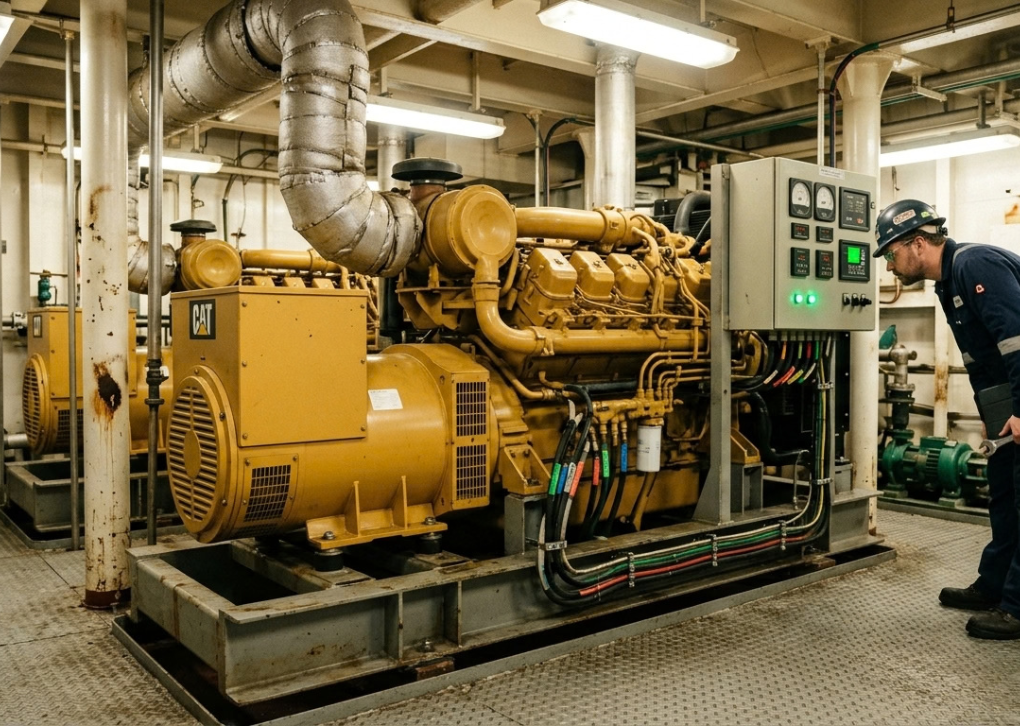
Marinegensets.com represents a topic area focused on one of the most critical systems used in modern vessels: marine generator sets. A marine genset provides electrical power for onboard equipment such as navigation systems, pumps, lighting, refrigeration, communication systems, and accommodation facilities.
Unlike a vessel’s main propulsion engine, which is designed primarily to move the ship, a marine genset produces electricity to keep essential systems operating. Selecting the correct generator requires understanding vessel requirements, electrical loads, operating conditions, fuel efficiency, and marine safety standards.
This guide explains how marine gensets work, the major types available, how to choose the right system, and what buyers should consider before installation.
What Is a Marine Genset?
A marine genset is a generator package designed specifically for operation in marine environments. It normally combines:
- A diesel engine or alternative fuel engine
- An electrical alternator
- Control and monitoring equipment
- Cooling and exhaust systems
- Mounting systems designed to reduce vibration
The engine converts fuel energy into mechanical power, while the alternator converts that mechanical energy into electricity.
Marine gensets are engineered differently from standard industrial generators because vessels operate in demanding conditions involving:
- Saltwater exposure
- Continuous vibration
- Limited installation space
- Humidity
- Variable loads
- Long operating periods
Manufacturers such as Cummins, Caterpillar, and Wärtsilä develop marine generator systems for applications ranging from recreational boats to large commercial vessels.
How Does a Marine Generator Set Work?
A marine generator follows the same basic electrical principle as other generator systems, but its components are adapted for marine use.
1. Engine Operation
The engine burns fuel to create rotational power. Diesel engines are widely used because they provide:
- High durability
- Good fuel efficiency
- Reliable operation under heavy loads
2. Power Generation
The engine drives an alternator. Inside the alternator, mechanical rotation produces electrical energy.
3. Power Distribution
Generated electricity is distributed through the vessel’s electrical system to supply:
- Navigation equipment
- HVAC systems
- Pumps
- Lighting
- Communication equipment
- Refrigeration units
4. Monitoring and Control
Modern marine gensets include electronic controllers that monitor:
- Engine temperature
- Oil pressure
- Voltage output
- Frequency
- Operating alarms
These systems help operators identify problems before they become major failures.
Marine Gensets vs Regular Generators: What Is the Difference?
Although both systems generate electricity, marine gensets are designed for a much harsher environment.
| Feature | Marine Genset | Industrial Generator |
|---|---|---|
| Environment | Saltwater and vibration exposure | Usually land-based |
| Protection | Marine corrosion resistance | Standard protection |
| Cooling | Marine-specific systems | Air or standard liquid cooling |
| Mounting | Vibration-resistant mounts | Fixed installation |
| Certification needs | Often marine-specific requirements | Industrial standards |
A generator installed on a vessel must handle movement, humidity, and restricted ventilation conditions that typical stationary generators do not experience.
Main Types of Marine Generator Sets
Diesel Marine Gensets
Diesel generator sets remain common because they provide dependable power for many vessel types.
Typical applications include:
- Cargo ships
- Fishing vessels
- Workboats
- Ferries
- Offshore vessels
- Yachts
Emergency Marine Generators
Emergency generators provide backup electricity when the main electrical supply fails.
They are usually designed to support essential safety systems.
Hybrid and Alternative Fuel Systems
Some modern vessels are exploring hybrid solutions and alternative fuels to reduce emissions and improve efficiency.
How to Choose the Right Marine Genset
Choosing a marine generator requires more than selecting the highest available power rating.
1. Calculate Electrical Load Requirements
The first step is identifying all onboard equipment that requires electricity.
Consider:
- Continuous loads
- Starting loads
- Future equipment additions
- Emergency requirements
An oversized generator may operate inefficiently, while an undersized unit may experience excessive stress.
2. Consider Vessel Type and Operating Profile
A small private yacht has very different requirements from a commercial cargo vessel.
Examples:
Small vessels
- Lighting
- Navigation equipment
- Refrigeration
- Small appliances
Commercial vessels
- Pumps
- Cargo systems
- Heavy machinery
- Extended operating cycles
3. Select the Appropriate Cooling System
Marine gensets commonly use several cooling approaches.
Heat Exchanger Cooling
Uses seawater to remove heat through a heat exchanger.
Benefits:
- Good protection for engine components
- Common marine configuration
Keel Cooling
Uses pipes attached to the vessel hull to transfer heat.
Benefits:
- Simple external cooling arrangement
- Suitable for some workboats and inland vessels
Radiator Cooling
Uses a traditional radiator system.
It may be suitable where ventilation and installation conditions allow.
Power House, for example, highlights marine genset configurations using different cooling approaches including keel cooled, heat exchanger cooled, and radiator cooled systems.
Important Components of a Marine Genset
A marine generator set is more than just an engine connected to an alternator. Every component must work together reliably in a challenging marine environment.
Diesel Engine
The engine is the primary mechanical power source. Marine engines are designed for long operating hours and must tolerate changing loads, vibration, and limited maintenance access.
Key considerations include:
- Fuel efficiency
- Service availability
- Load response
- Reliability
- Emissions performance
Alternator
The alternator converts mechanical energy from the engine into electrical power.
Important alternator characteristics include:
- Voltage stability
- Frequency regulation
- Efficiency
- Ability to handle starting loads
Control System
Modern marine gensets use digital controllers that allow operators to monitor performance and manage safety functions.
Common monitoring features include:
- Engine speed
- Generator voltage
- Frequency
- Battery condition
- Oil pressure
- Coolant temperature
- Fault alarms
Exhaust System
Marine exhaust systems require special attention because they must safely remove combustion gases while minimizing noise and heat transfer inside the vessel.
Typical components include:
- Wet exhaust systems
- Mufflers
- Insulation materials
- Water separators
Mounting and Vibration Isolation
Vessel movement creates constant mechanical stress. Marine gensets normally use flexible mounts to reduce:
- Vibration transfer
- Noise
- Structural stress
Marine Genset Applications
Marine generator sets are used across many vessel categories.
Yachts and Recreational Boats
Private yachts commonly use gensets to power:
- Air conditioning
- Entertainment systems
- Galley equipment
- Lighting
- Navigation electronics
For yacht owners, compact size, quiet operation, and fuel efficiency are often major priorities.
Commercial Ships
Commercial vessels depend on generator systems for essential operations, including:
- Cargo handling equipment
- Pumps
- Navigation systems
- Communication systems
- Crew facilities
Offshore and Work Vessels
Offshore vessels often require highly reliable electrical systems because they operate in remote environments where downtime can be costly.
Applications include:
- Offshore support vessels
- Research vessels
- Fishing boats
- Service vessels
Marine Genset Maintenance: Best Practices
Regular maintenance helps improve reliability and reduces unexpected failures.
A typical maintenance program may include:
Daily Checks
Operators should inspect:
- Fluid levels
- Warning indicators
- Unusual sounds or vibrations
- Exhaust conditions
Routine Servicing
Depending on manufacturer recommendations and operating hours, servicing may include:
- Oil replacement
- Filter changes
- Cooling system inspection
- Battery checks
- Fuel system inspection
Long-Term Inspection
Periodic inspections should evaluate:
- Electrical connections
- Exhaust components
- Mounting systems
- Corrosion protection
- Generator performance
Maintenance intervals vary depending on the manufacturer, operating conditions, fuel quality, and workload.
Common Mistakes When Buying a Marine Genset
Selecting a generator only by price can create problems later. Some common mistakes include:
Choosing Incorrect Capacity
A generator that is too small may struggle with electrical demand and experience excessive wear.
A generator that is too large may operate inefficiently because diesel engines generally perform best when properly loaded.
Ignoring Installation Conditions
Available space, ventilation, exhaust routing, fuel storage, and access for maintenance should be considered before purchase.
Overlooking Noise and Vibration
For yachts and passenger vessels, noise levels can significantly affect comfort.
Failing to Consider Future Power Needs
Vessel owners should consider whether additional equipment may be added later.
Marine Genset Selection Checklist
Before choosing a marine generator set, review:
| Consideration | Questions to Ask |
|---|---|
| Vessel type | Yacht, fishing boat, cargo vessel, offshore vessel? |
| Power requirement | What electrical load must be supported? |
| Operating hours | Occasional use or continuous operation? |
| Fuel type | What fuel system is available? |
| Cooling method | Which cooling configuration suits the vessel? |
| Installation space | Is there enough room for service access? |
| Noise requirements | Is quiet operation important? |
| Maintenance support | Are spare parts and technicians available? |
Future Trends in Marine Power Generation
Marine power systems are changing as vessel operators look for improved efficiency and lower emissions.
Important developments include:
Hybrid Marine Systems
Hybrid systems combine traditional generators with technologies such as battery storage.
Potential benefits include:
- Reduced fuel consumption during low-load operation
- Lower emissions
- Improved operational flexibility
Digital Monitoring
Advanced monitoring systems allow operators to track:
- Fuel consumption
- Maintenance needs
- Performance trends
- Operating conditions
Alternative Fuels
The marine industry is investigating fuels such as LNG, methanol, and other lower-carbon options as part of broader emissions reduction efforts.
The International Maritime Organization (IMO) has established global measures addressing greenhouse gas emissions from international shipping.
Source: International Maritime Organization – IMO Climate Action
Why Marine Gensets Require Specialist Engineering
A marine generator is a safety-critical component because many onboard systems depend on continuous electrical power.
A properly selected and installed genset must account for:
- Vessel operating conditions
- Electrical demand patterns
- Environmental exposure
- Safety requirements
- Maintenance accessibility
Working with experienced marine engineers or suppliers helps ensure the generator matches the vessel’s actual requirements rather than simply meeting a basic power rating.
Frequently Asked Questions
1. What is a marine genset?
A marine genset is a generator system designed to produce electrical power onboard a vessel. It normally combines an engine, alternator, control system, cooling equipment, and marine-specific protection features.
2. How is a marine genset different from a normal generator?
A marine genset is built for conditions such as saltwater exposure, vibration, movement, and limited installation space. Standard generators are generally designed for stationary land-based applications.
3. How do I calculate the right marine genset size?
The correct size depends on the vessel’s total electrical load, starting requirements of equipment, operating conditions, and future power needs. A marine electrical engineer can help perform an accurate load analysis.
4. Are marine gensets only powered by diesel?
No. Diesel remains widely used, but some marine applications are exploring hybrid systems and alternative fuels depending on vessel requirements and regulations.
5. How often should a marine generator be serviced?
Service intervals depend on the manufacturer, engine model, operating hours, and working conditions. Owners should follow the maintenance schedule provided by the equipment manufacturer.
6. Can a marine genset run continuously?
Yes, many commercial marine generator sets are designed for extended operation, provided they are correctly sized, installed, and maintained.
7. What factors affect marine genset reliability?
Reliability depends on correct sizing, installation quality, maintenance practices, fuel quality, cooling performance, and operating conditions.
Conclusion
Marinegensets.com represents a growing area of interest for vessel owners and marine professionals looking for dependable onboard power solutions. A suitable marine generator set must balance electrical requirements, operating conditions, efficiency, maintenance needs, and long-term reliability.
Understanding how marine gensets work and what factors influence selection helps buyers make better decisions before investing in a power system. Choosing the right configuration with proper engineering support can improve vessel performance, safety, and operational efficiency.

3 Comments
Pingback: Be1Crypto.com Review: What to Know in 2026
Pingback: Cigsbymail.com Review: What the Site Actually Is
Pingback: Dewi11nos.com -mantul: What the Search Really Means