

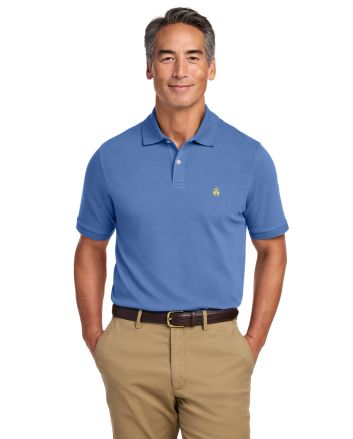
Summer heat changes how people experience clothing. A shirt that feels perfectly comfortable on a mild spring day can become heavy, sticky, and exhausting on a humid afternoon. For people who work or play outdoors, the right clothing is not just a matter of comfort. It affects energy, focus and how well they cope with long hours in the heat.
Polo shirts are worn by many people who spend summer days outdoors or in warm environments: landscapers, delivery drivers, golfers, coaches, event staff, theme park employees, market traders and warehouse teams. Their collar and neat appearance make them a common uniform choice, but not every polo handles heat equally well.
This article explores how polo shirts help people cope with hot weather, how different groups experience summer heat, and what features make a polo truly suitable for warm conditions.
Understanding How Clothing Affects Heat
How the Body Cools Itself
The body cools mainly through sweating. When sweat evaporates from the skin, it carries heat away. Clothing that traps sweat or blocks airflow slows this process, making people feel hotter.
What Helps
Clothing that supports cooling usually:
- Allows air to circulate.
- Moves moisture away from the skin.
- Dries quickly.
- Avoids trapping heat close to the body.
Where Polos Fit In
Polo shirts can support these needs well when they are made from suitable fabrics and constructions. The placket can be opened for ventilation, and the short sleeves of most polos allow airflow around the arms.
The Role of Short Sleeves in Summer
Short sleeves are the default for summer polos. They allow air to move freely around the arms and help prevent overheating.
Many organizations build their summer uniform around short sleeve polos for exactly this reason. They keep staff cooler during active work while maintaining a professional collared look that suits customer-facing roles.
When Longer Sleeves Still Matter
In some situations, workers may prefer lightweight long sleeves for sun protection, especially in very strong sun. Breathable fabrics make this more comfortable.
Fabric Choices for Hot Weather
Cotton
Cotton feels soft and breathable in moderate warmth, but it absorbs moisture and dries slowly. In intense heat or heavy activity, cotton can become damp and heavy.
Polyester and Technical Fabrics
Polyester and technical blends often handle sweat better. They move moisture to the surface where it can evaporate and dry faster than cotton.
Fabric Weight
Lighter fabrics usually feel cooler. Heavier polos may look structured but can trap heat.
The Value of Open Knit Constructions
How Mesh Helps
Mesh and mini-mesh polos are knitted with small openings that allow air to pass through. This improves ventilation and helps heat escape.
Where Open Knits Make a Difference
Open-knit polos are particularly useful for summer sports leagues, outdoor events and crews working in direct sun. Event organizers and league administrators frequently choose mesh polo shirts for summer staff because the breathable structure keeps people cooler while still looking neat enough for official roles.
Balancing Coverage
Some very open meshes may feel too sheer for certain roles. Fine meshes often provide a good balance between airflow and a solid appearance.
How Outdoor Workers Experience Summer Heat
Physical Work in the Sun
Landscapers, construction support staff, groundskeepers and delivery drivers often perform physical tasks under direct sun. They need polos that breathe, dry quickly, and allow free movement.
Long Hours
Outdoor workers may spend entire shifts in the heat. Comfort over many hours matters more than comfort for a few minutes.
Professional Appearance
Even in heat, many outdoor workers interact with customers. A polo that stays neat and does not show heavy sweat marks helps them look professional.
How Athletes and Coaches Experience Summer Heat
Golf and Racquet Sports
Golfers and tennis players often play in hot conditions. Lightweight, breathable polos help them stay comfortable and focused.
Coaches and Officials
Coaches and referees stand or move outdoors for long periods. Breathable polos help them remain comfortable while looking authoritative.
How Indoor Workers Experience Heat
Heat is not only an outdoor issue. Warehouses, kitchens, factories, and some retail spaces can become very warm in summer.
Workers in these environments benefit from lightweight, breathable polos just as much as outdoor workers. Darker colors may hide sweat better, but lighter colors can reflect heat in sunny areas.
How Event and Hospitality Staff Experience Summer Heat
Summer is peak season for festivals, outdoor concerts, sports tournaments, theme parks, and outdoor dining. Staff working these events often face long shifts in strong sun, with little shade and heavy crowds.
For these workers, uniforms must do several jobs at once. They need to keep staff identifiable in busy spaces, maintain a neat appearance in front of guests, and help people stay as comfortable as possible in the heat. Brightly colored, breathable polos are a common choice because they meet all three needs.
Event organizers also need to think about the number of shirts each staff member receives. A single polo may be enough for a short event, but multi-day festivals often require two or three shirts per person so staff can change into a fresh shirt each day.
Regional and Climate Differences
Summer heat varies widely by region. Dry heat, common in desert climates, feels different from humid heat, common in coastal and tropical areas.
Dry Heat
In dry climates, sweat evaporates quickly, and sun exposure can be intense. Lightweight polos with good coverage and sun-protective fabrics may be particularly useful.
Humid Heat
In humid climates, sweat evaporates more slowly, so fabrics that move moisture away from the skin and allow maximum airflow are especially valuable. Open knits and lightweight technical fabrics often perform best.
Mixed Conditions
Some regions experience hot days and cool evenings. Staff working long shifts may need a light layer for early mornings or late evenings, in addition to their summer polos.
Understanding these differences helps organizations choose polos that genuinely suit local conditions rather than relying on a one-size-fits-all approach.
Important Elements of a Summer Polo
Breathability
Look for fabrics and constructions that allow air to flow.
Moisture Management
Moisture-wicking fabrics help sweat evaporate more efficiently.
Lightweight Construction
Lighter fabrics generally feel cooler.
Color
Light colors tend to reflect more sunlight and may feel cooler outdoors. Darker colors can hide sweat marks but may absorb more heat.
Fit
A slightly relaxed fit allows air to circulate. Very tight polos can trap heat.
Sun Protection
Some polos are made with fabrics designed to offer a degree of sun protection. This can be useful for outdoor workers as part of broader sun safety measures.
Practical Ways to Plan Summer Polos
Assess the Environment
Consider whether staff work outdoors, indoors in hot spaces, or in mixed environments.
Provide Enough Shirts
In hot weather, workers may need to change shirts more often. Providing additional polos during summer can help.
Encourage Hydration and Breaks
Clothing is only one part of coping with heat. Employers should also follow appropriate heat safety practices, such as providing water, shade and rest breaks.
Test Fabrics
Ask staff to try sample polos in real conditions and provide feedback.
Plan Seasonal Orders
Order summer polos before hot weather arrives.
Common Mistakes in Summer Polo Choices
Choosing Heavy Fabrics
Heavy polos may look smart but can be uncomfortable in heat.
Ignoring Airflow
Fabrics without ventilation can trap heat close to the body.
Overlooking Sweat Visibility
Some colors show sweat marks clearly, which may matter in customer-facing roles.
Relying Only on Clothing
Clothing helps, but heat safety also depends on hydration, shade, and rest.
Not Providing Enough Shirts
Workers may need more shirts in summer to stay fresh.
Caring for Summer Polos
Frequent sweating and washing can shorten the life of summer polos. Washing them promptly after use helps prevent odors from setting into synthetic fabrics. Cool water and gentle cycles protect fibers and decoration, while avoiding fabric softener helps moisture-wicking fabrics keep working as intended. Drying in shade or on low heat reduces fading and shrinkage.
Employers who provide summer uniforms can share these simple care steps with staff. Well-maintained polos stay comfortable and presentable throughout the hottest months and are less likely to need early replacement.
Why Summer Polo Choices Matter
Heat affects comfort, energy and concentration. For workers and athletes, clothing that supports the body’s cooling process can make long days more manageable.
For businesses, choosing suitable summer polos shows care for employees’ wellbeing. It also helps staff maintain a professional appearance in demanding conditions.
Conclusion
Polo shirts can be an excellent choice for hot weather when they are designed with heat in mind. Short sleeves, lightweight fabrics, moisture management, and open knit constructions all help people stay cooler. Outdoor workers, indoor staff in hot environments, athletes and coaches each benefit from these features in different ways.
By considering breathability, fabric weight, color, fit, and sun protection, and by combining good clothing choices with broader heat safety practices, organizations and individuals can make summer work and play more comfortable.
FAQs:
Q1:What polo fabric is best for hot weather?
Lightweight, moisture-wicking polyester or technical blends are often best, especially for active work or sports.
Q2:Are mesh polos cooler?
Yes. Mesh and mini-mesh fabrics allow more airflow, helping heat escape from the body.
Q3:Should summer polos be light or dark?
Light colors often reflect more sunlight, while darker colors may hide sweat marks better. The best choice depends on the setting.
Q4:Are polos suitable for outdoor work in summer?
Yes, especially lightweight, breathable polos designed for heat, combined with good heat safety practices.
