

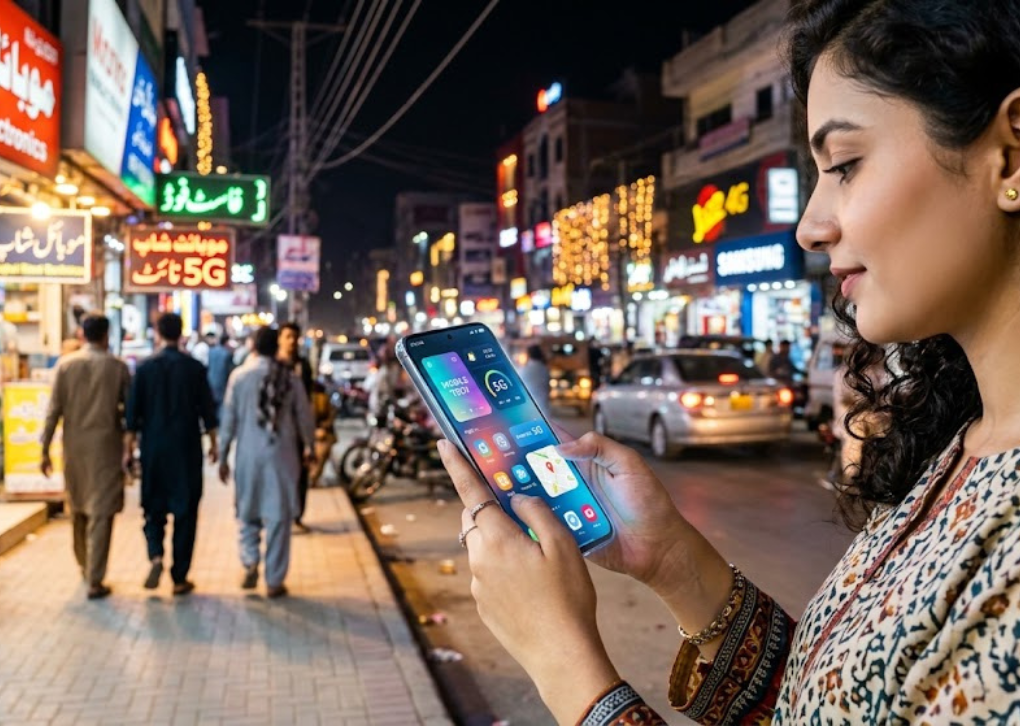
Searching for Tracqueur can be confusing because the term does not describe one single universally recognized device or software platform. In most online discussions, Tracqueur is associated with tracking technology, GPS devices, location monitoring systems, and tools designed to follow the position or movement of objects. wentsmagazine.co.uk
The spelling is also worth understanding. The commonly recognized French word is “traqueur,” which relates to a tracker or someone who follows a trail. The online spelling “Tracqueur” is often used when discussing modern tracking solutions. fixix.co.uk
Today, tracking technology is used everywhere: from cars and delivery fleets to luggage trackers, fitness devices, and industrial equipment. This guide explains what Tracqueur means, how tracking systems operate, where they are used, and what users should consider before choosing one.
What Is Tracqueur?
Tracqueur generally refers to a tracking tool, device, or system used to monitor location, movement, activity, or status.
It may describe:
- A GPS tracking device installed in a vehicle
- A small tracker attached to personal belongings
- A Bluetooth-based item finder
- A business asset monitoring system
- Software that collects digital activity information
The exact meaning depends on the context where the term appears.
A modern tracking system usually combines hardware and software. The hardware collects information, while software processes and displays the data through applications, dashboards, or online platforms.
For example, a vehicle tracking system may collect:
- Current location
- Travel route
- Speed information
- Driving patterns
- Vehicle status
A personal tracker may simply help someone locate keys, luggage, or another valuable item.
Is Tracqueur a Specific Product or Technology?
No. Tracqueur is generally not considered one specific product category with one manufacturer or standard design.
Instead, it is better understood as a broad term connected with tracking concepts.
Different tracking technologies serve different purposes:
| Type | Main Purpose | Typical Use |
|---|---|---|
| GPS tracker | Long-distance location monitoring | Cars, trucks, equipment |
| Bluetooth tracker | Nearby item finding | Keys, bags, wallets |
| Fitness tracker | Activity monitoring | Exercise and health tracking |
| Asset tracker | Equipment management | Business inventory |
| Software tracker | Digital behaviour monitoring | Apps and websites |
This distinction matters because someone searching for Tracqueur may need completely different information depending on whether they want to track a vehicle, personal item, or digital activity.
How Does a Tracqueur Work?
A tracking system usually follows four basic steps:
1. Data Collection
The device gathers information using technologies such as:
- GPS satellites
- Bluetooth signals
- Wi-Fi positioning
- Cellular networks
- Internal sensors
A GPS-based device calculates location by receiving signals from satellites and determining its position.
2. Data Processing
The device processes collected information before sending it to another system.
This may include:
- Location coordinates
- Time records
- Movement patterns
- Battery status
- Sensor information
3. Data Transmission
The information is transferred through communication methods such as:
- Mobile networks
- Bluetooth connections
- Wi-Fi
- Internet services
A vehicle tracker with a SIM card, for example, can send location information through cellular networks.
4. User Access
Users normally view tracking information through:
- Mobile applications
- Web dashboards
- Mapping systems
The final result is a simple interface showing where something is located or how it has moved over time.
Main Technologies Behind Tracqueur Systems
GPS Tracking
GPS is one of the most common technologies used in modern tracking devices.
A GPS tracker communicates with satellites to estimate its position. When combined with mobile connectivity and software, it can display movement information on a map.
Common applications include:
- Vehicle tracking
- Fleet management
- Equipment monitoring
- Outdoor navigation
However, GPS performance can change depending on surroundings. Buildings, underground locations, and poor satellite visibility may reduce accuracy.
Bluetooth Tracking
Bluetooth trackers work differently from GPS systems.
They are designed mainly for short-range item finding.
Common examples include:
- Keys
- Wallets
- Bags
- Personal accessories
Advantages:
- Small size
- Lower power consumption
- Affordable hardware
Limitations:
- Limited direct range
- Usually unsuitable for tracking vehicles over long distances
Cellular Tracking
Many professional tracking systems use mobile networks.
A cellular-enabled device can send information over a large geographic area, making it suitable for:
- Trucks
- Delivery vehicles
- Business equipment
The limitation is that cellular trackers usually require network coverage and may involve subscription costs.
Common Uses of Tracqueur Technology
Vehicle Tracking
Vehicle tracking is one of the most common uses of tracking technology.
Businesses and individuals may use vehicle trackers for:
- Location monitoring
- Fleet management
- Route planning
- Theft recovery assistance
- Vehicle usage analysis
Companies operating multiple vehicles can analyse routes and improve operational efficiency.
Asset Tracking
Businesses often need visibility over expensive equipment.
Asset tracking can help monitor:
- Machinery
- Construction equipment
- Shipping containers
- Tools
- Industrial devices
Instead of manually searching for assets, organisations can use tracking information to improve management.
Personal Belongings
Small tracking devices help users locate important items.
Common examples include:
- Travel bags
- Keys
- Electronics
- Personal accessories
These devices are especially useful for frequently misplaced belongings.
Fitness and Lifestyle Tracking
Some wearable devices track:
- Steps
- Distance travelled
- Exercise sessions
- Sleep patterns
These systems use sensors to collect activity data and present it through mobile applications.
Benefits of Using Tracqueur Technology
Better Visibility
Tracking systems provide information that may otherwise be difficult to obtain.
A business manager can see where vehicles are operating. A user can locate a missing item.
Improved Efficiency
Companies can analyse movement patterns and identify areas for improvement.
Examples:
- Reducing unnecessary travel
- Improving delivery planning
- Managing equipment usage
Convenience
Personal trackers reduce the frustration of losing valuable items.
Instead of searching manually, users can check a connected application.
Security Support
Tracking technology may help locate lost assets.
However, a tracker should not be considered a guaranteed security solution. It works best as one part of a wider security approach.
Limitations and Challenges
Although tracking technology provides useful benefits, it also has limitations.
Accuracy Issues
Accuracy depends on:
- Device quality
- Signal availability
- Environment
- Tracking technology used
A GPS tracker outdoors may perform differently from a Bluetooth device inside a building.
Battery Life
Portable tracking devices require power.
Frequent location updates usually consume more battery than occasional tracking.
Cost
Some systems require:
- Hardware purchase
- Mobile data plans
- Subscription fees
- Maintenance costs
Users should consider the total cost before choosing a solution.
Privacy Concerns
Tracking information can be sensitive.
Location data may reveal:
- Personal movements
- Business activities
- Daily routines
Responsible tracking requires:
- Proper permission
- Secure data storage
- Transparent usage policies
Secretly tracking another person without legal authority may create serious privacy and legal issues.
GPS Tracker vs Bluetooth Tracker: Which One Should You Choose?
The right choice depends on your goal.
| Requirement | Better Option |
|---|---|
| Track a vehicle | GPS tracker |
| Find nearby belongings | Bluetooth tracker |
| Monitor business vehicles | GPS fleet system |
| Track exercise activity | Fitness tracker |
| Monitor equipment | Asset tracking system |
A common mistake is choosing a device based only on price. The best solution depends on range, accuracy, battery life, connectivity, and intended use.
How to Choose the Right Tracking Device
Before buying a tracking solution, consider:
Purpose
Ask:
- What do I want to track?
- How often do I need updates?
- How far away can the device be?
Connectivity
Check whether the device uses:
- GPS
- Bluetooth
- Cellular networks
- Wi-Fi
Battery Requirements
A small personal tracker may last longer than a GPS device sending frequent updates.
Privacy Features
Look for:
- Data protection
- User controls
- Secure applications
- Clear privacy policies
The Future of Tracking Technology
Tracking systems are becoming more advanced through improvements in:
- Artificial intelligence
- Internet of Things (IoT)
- Sensors
- Cloud computing
- Data analytics
Future systems may provide better prediction, such as identifying unusual movement patterns or suggesting maintenance needs for equipment.
However, better technology also increases the importance of responsible data handling. More accurate tracking requires stronger privacy protections.
Frequently Asked Questions
What does Tracqueur mean?
Tracqueur is generally associated with tracking technology. It refers broadly to tools or systems used to locate, monitor, or follow objects, movement, or activity.
Is Tracqueur the same as a GPS tracker?
Not exactly. A GPS tracker is one type of tracking technology. Tracqueur is a broader term connected with tracking systems in general.
Can Tracqueur technology track a car?
Yes. GPS-based tracking devices can be used for vehicles to monitor location, routes, and movement information.
Does every tracking device need a SIM card?
No. GPS trackers often use cellular connections, while Bluetooth trackers may work without mobile data.
Are tracking devices accurate?
Accuracy depends on the technology, environment, and device quality. GPS systems usually perform best outdoors with strong satellite visibility.
Is tracking technology legal?
The legality depends on how and where it is used. Tracking your own property is different from monitoring another person without permission or legal authority.
Conclusion
Tracqueur is best understood as a term connected with modern tracking technology rather than a single device. From GPS vehicle systems to Bluetooth item finders, tracking solutions help people and organisations understand location, movement, and activity.
The right tracking solution depends on the purpose, required range, accuracy needs, cost, and privacy considerations. When used responsibly, tracking technology can improve convenience, efficiency, and security while respecting individual privacy.
5. Frequently Asked Questions
1. What is the simplest meaning of Tracqueur?
Tracqueur generally means a tracker or tracking system used to follow location, movement, or activity.
2. What technology does a Tracqueur use?
Depending on the device, it may use GPS, Bluetooth, Wi-Fi, cellular networks, or sensors.
3. Can tracking devices work without internet?
Some Bluetooth trackers can work without direct internet access, while many GPS systems require network connectivity to send information remotely.
4. What industries use tracking systems?
Common industries include logistics, transportation, manufacturing, security, healthcare equipment management, and personal technology.
5. What should I check before buying a tracker?
Consider tracking purpose, range, battery life, connectivity method, accuracy, price, and privacy features.
6. Are GPS trackers better than Bluetooth trackers?
Neither is universally better. GPS is better for long-distance tracking, while Bluetooth is usually better for nearby personal items.
